
Brickell and Downtown
Urban living and condominiums where the building, association, inventory, demand and total ownership cost matter.
Miami Neighborhoods & Areas
Each neighborhood and microlocation responds differently to lifestyle, investment, property type and the desired level of transformation.
Discuss my objectiveThe decision changes between an urban condominium, historic home, coastal property or residential lot. Even within one neighborhood, the building, street, exposure and regulations can alter the outcome.
That is why I work from microlocation and compare each asset within its actual context. This page is a starting point; every recommendation should fit the client's use, budget, risk and horizon.
Four contexts to begin
Urban living and condominiums where the building, association, inventory, demand and total ownership cost matter.
Homes and architecture in established settings where lot, design, preservation and street carry particular weight.
A coastal market with its own insurance, exposure, building and regulatory variables.
Single-family homes and lots with renovation or residential development potential.

Primary residence, second home, rental, renovation or development.
Mobility, services, privacy, surroundings and relationship to water or city.
Type, age, building, lot, maintenance and transformation potential.
Total cost, insurance, liquidity, complexity and expected holding period.
A strategic Miami atlas
I do not rank neighborhoods from best to worst. I read them as different contexts, each supporting a particular relationship between daily life, property type, investment and transformation potential.

Vertical · Waterfront · Connected
An urban setting for clients who want proximity, services and a property integrated into metropolitan life. Here, the decision is not only the neighborhood: the building may matter as much as the unit.
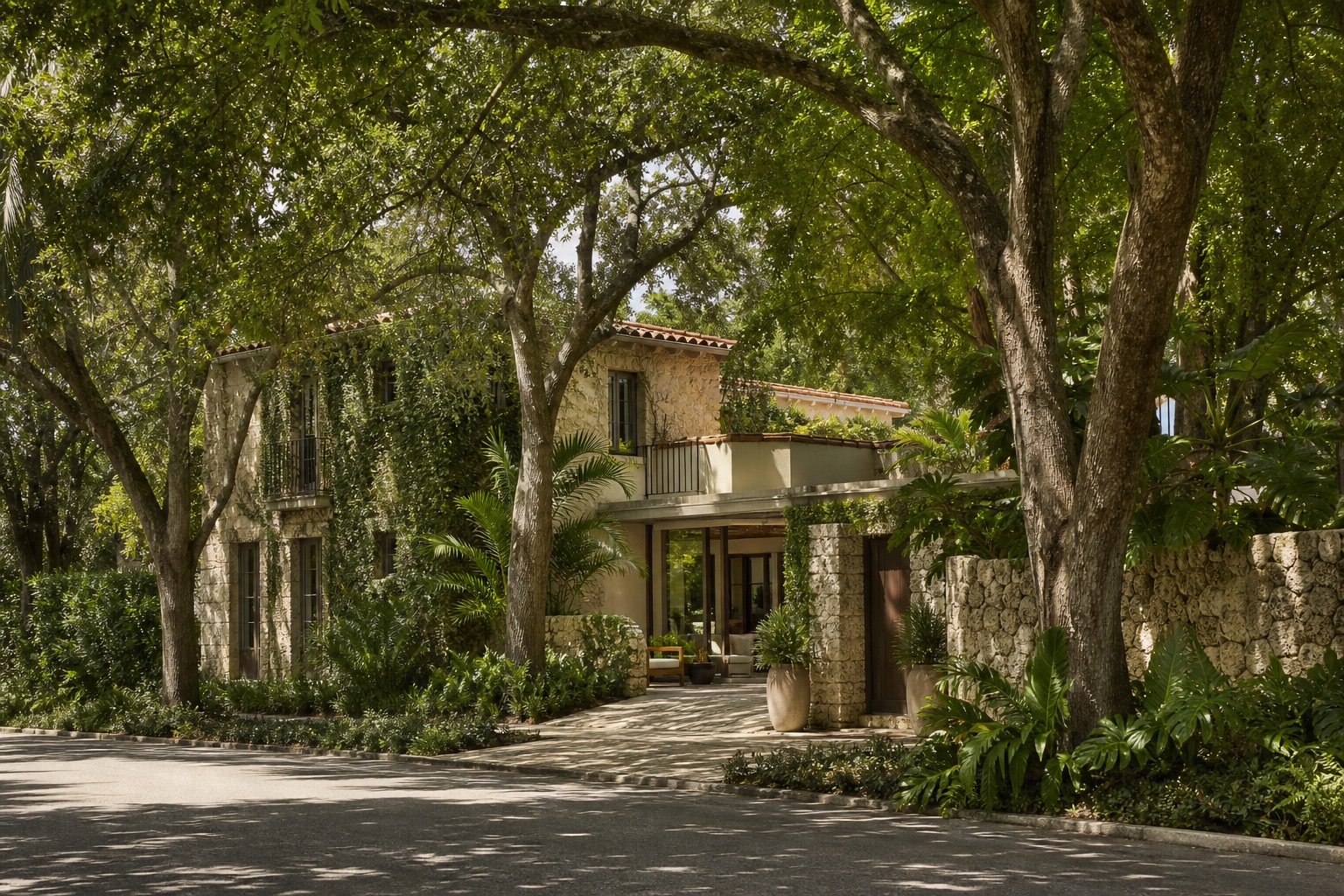
Canopy · Architecture · Neighborhood life
Established settings where the street, lot, landscape and architectural character are part of the value. They are especially compelling when quality of life and thoughtful transformation shape the purchase.

Coast · Design · Exposure
A market defined by its relationship to water, light and climate. The beauty is evident; judgment comes from understanding the building, exposure, insurance, regulations and ownership cost before committing.
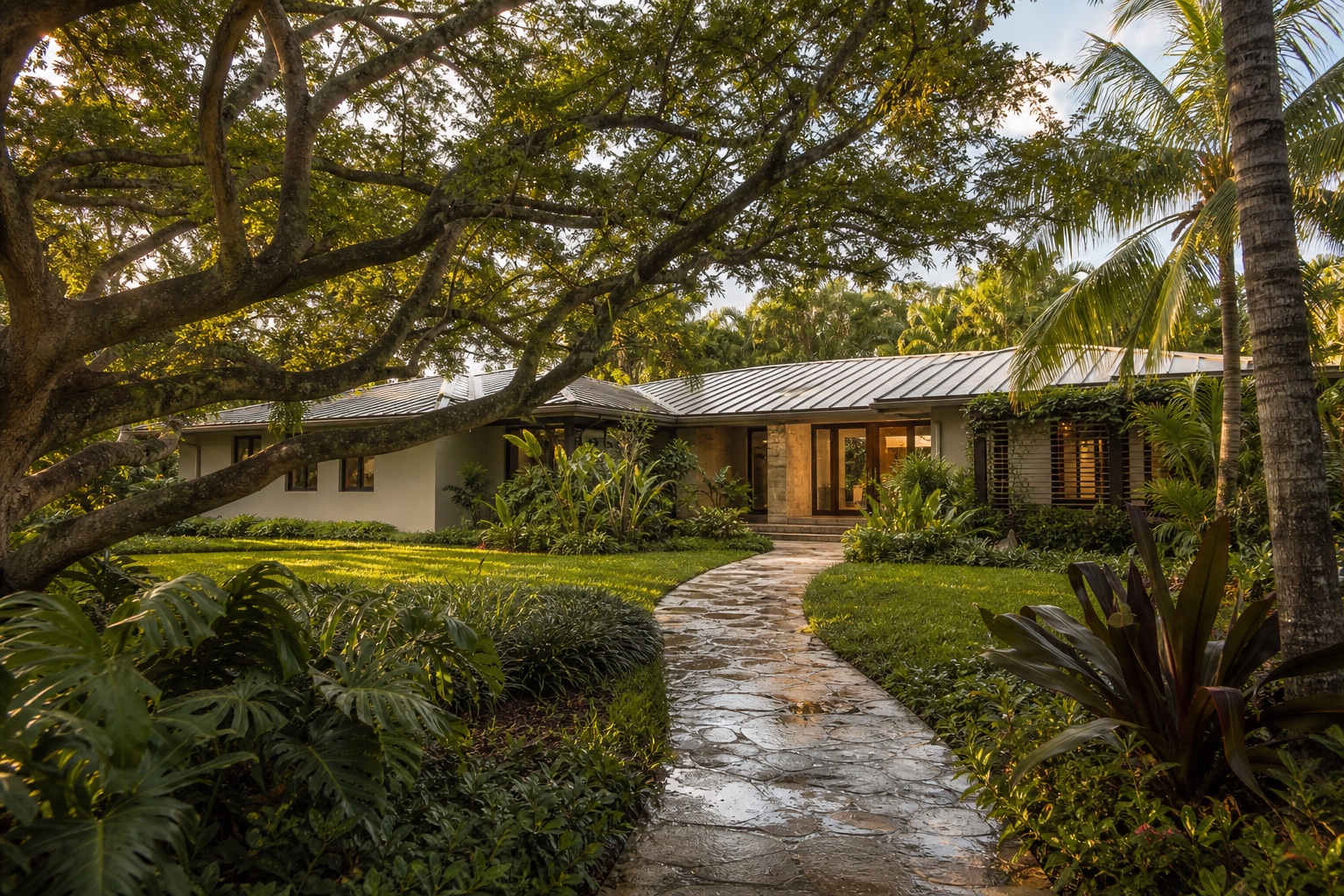
Land · Privacy · Transformation
A lower-density residential setting where land, scale and the ability to transform matter deeply. It may suit a family home, major renovation or a thoughtful ground-up residential strategy.
Editorial imagery created to represent the character of each context; these are not properties currently offered for sale.
There is no single answer. It depends on capital, asset type, expected return, risk tolerance and horizon. The right area emerges from a specific strategy.
Coral Gables, Coconut Grove, South Miami, Pinecrest and other areas may offer opportunities, but potential depends on the lot, property, regulations and total cost—not only the neighborhood name.
Yes. We can create a decision matrix using personal priorities, budget, property type, risk and future potential before starting visits.
Initial conversation
Let us define your priorities and compare microlocations using clear criteria.
The focused form organizes objective, location, budget and timing before the first conversation.
Discuss my objective ↗About 2 minutes · English or Spanish